11 Bakheng Street, Svay Dangkum,
Siem Reap, Cambodia
Email our experts:
info@truenorthlean.com
11 Bakheng Street, Svay Dangkum,
Siem Reap, Cambodia
Email our experts:
info@truenorthlean.com

Blog

Total Productive Maintenance: The Forgotten Discipline Behind World-Class Manufacturing

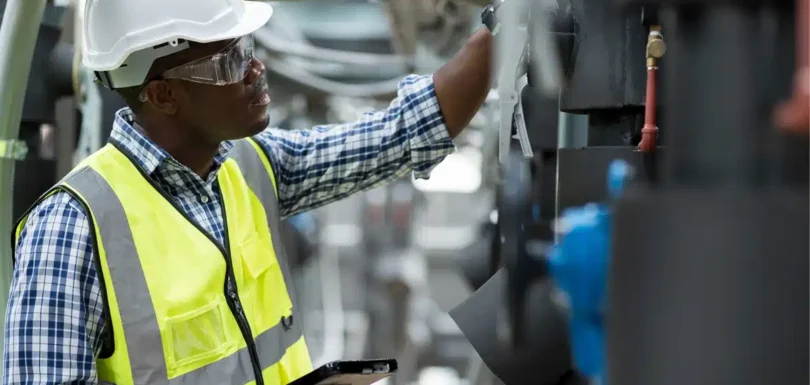
Special Editorial In the endless pursuit of faster, leaner, and more profitable manufacturing, there’s one practice that continues to quietly power some of the world’s most efficient factories. It doesn’t rely on cutting-edge AI, complex robotics, or flashy dashboards. Instead, it rests on something far simpler: ownership, discipline, and daily care. It’s called Total Productive Maintenance (TPM)—a deceptively simple system that, when applied correctly, can be transformative. Yet despite its proven track record, TPM remains one of the least understood tools in modern industry. Too many factories adopt new software or equipment without addressing the human and mechanical foundations that TPM so carefully nurtures. In essence, TPM is not a maintenance strategy. It’s a mindset. And if manufacturers are serious about eliminating waste and raising performance, it’s a mindset they can’t afford to ignore. What Is TPM, Really? Total Productive Maintenance was born out of Japan’s post-war manufacturing revival, at a time when efficiency wasn’t optional—it was existential. At its core, TPM is built on a radical idea: that equipment reliability is everyone’s responsibility. The goal is ambitious: zero breakdowns, zero defects, zero accidents. To get there, TPM breaks down the traditional barriers between production and maintenance. Machine operators are trained not just to use the equipment but to care for it—to clean, inspect, and detect early signs of trouble. Maintenance teams shift from reactive firefighting to proactive and preventative planning. Managers become coaches, not overseers. It’s a cultural shift—one that puts trust in the hands of those closest to the machines. The 5S Foundation: Cleanliness as a Competitive Advantage TPM begins with 5S, a deceptively basic housekeeping method that ensures the workplace is organized, safe, and inspection-ready. In an age of automation, it’s easy to dismiss 5S as cosmetic. But that would be a mistake. In factories where TPM thrives, 5S is not just about cleanliness—it’s about visibility. A spill under a press, a loose bolt on a conveyor, or a worn-out label on a control panel becomes visible only in an environment that is orderly. And visibility is what gives rise to accountability. The five pillars—Sort, Set in order, Shine, Standardize, and Sustain—form the daily rhythm of TPM. And like all rhythms, their power lies in repetition. Eight Pillars Holding Up the Factory Once the environment is stable, TPM introduces its structural elements—eight “pillars” that address every aspect of manufacturing equipment’s life cycle. 1. Autonomous Maintenance Here, operators become the first line of defense. They clean, inspect, and perform basic upkeep. The result? Problems are caught early, and technicians are freed to focus on deeper issues. 2. Planned Maintenance Gone are the days of machines breaking down mid-shift. Maintenance is now planned based on data—failure patterns, usage hours, wear-and-tear—all designed to prevent surprises. 3. Quality Maintenance Defects don’t just happen—they come from overlooked signals. TPM uses tools like root cause analysis and error-proofing to stop defects at the source. 4. Focused Improvement TPM thrives on small wins. Cross-functional teams tackle recurring issues—from vibration faults to recurring jams—chipping away at inefficiencies. 5. Early Equipment Management Lessons from existing equipment are used to design better machines. The people who run the lines get a voice in how future assets are built. 6. Training and Education Skill is everything. TPM requires operators to be more than button-pushers. So, it invests in them—training them to see, think, and act. 7. Safety, Health, and Environment A plant can’t be productive if it’s unsafe. TPM insists that risk reduction and safety audits be built into the daily routine, not treated as add-ons. 8. TPM in Administration Even offices aren’t immune. TPM principles are extended to procurement, scheduling, and invoicing—cutting down errors that choke production lines. Together, these pillars aren’t just about fixing things—they’re about changing how people interact with their work. Measuring Success: OEE and the Six Big Losses No improvement effort can succeed without measurement. That’s why TPM is often paired with Overall Equipment Effectiveness (OEE)—a simple but powerful metric that asks one question: how much of your scheduled production time is actually productive? OEE is calculated using three components: A perfect score of 100% means no stops, no slowdowns, and no scrap. It’s a theoretical ideal—most plants never reach it—but that’s not the point. The point is to benchmark reality and drive it higher. Digging deeper, OEE reveals the Six Big Losses that plague nearly every factory: By attacking these categories, TPM doesn’t just boost numbers—it transforms cultures. A Realistic Path to TPM If TPM sounds overwhelming, that’s understandable. But it doesn’t have to be. Many successful implementations start with a single machine, a single line, or even a single shift. What matters is not scale—but discipline. Here’s how it begins: Step 1: Select a Pilot Area Choose a machine with frequent stoppages or high visibility. Avoid the temptation to fix the most complicated asset first—momentum is built on quick wins. Step 2: Clean and Inspect Bring in the 5S team. Photograph the equipment before and after. Identify lubrication points. Replace worn components. Involve the operators. Step 3: Track OEE Don’t wait for a software rollout. Use a whiteboard if necessary. Record downtimes, defects, and output. Just measuring performance often improves it. Step 4: Solve One Big Problem Use OEE data to pick a major loss—maybe it’s frequent belt breaks or inconsistent alignment. Form a small team and attack it together. Celebrate the win. Step 5: Move to Planned Maintenance Start simple. Identify high-risk parts. Schedule replacements before they fail. Monitor component life. Adjust the schedule over time. In just weeks, the difference can be profound—not just in metrics, but in morale. Why TPM Fails (and How to Prevent It) TPM is not a silver bullet. Many companies adopt its language without adopting its discipline. Here are the most common traps: The Human Side of TPM For all its technical rigor, TPM is about people. When an operator says, “I noticed something strange with the feeder,” and it prevents a breakdown—that’s TPM. When a mechanic revises a maintenance schedule based on
Continue Reading

Lean Without Borders: Lessons from Two Teams, Two Countries, One Spirit

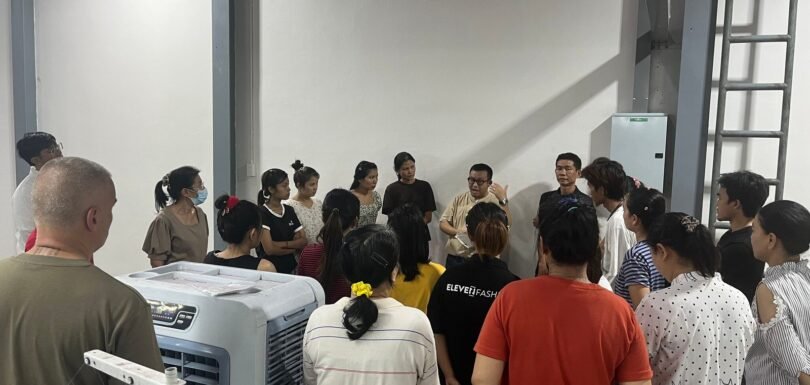
In recent weeks, the True North Lean team had the opportunity to work with two distinctly different organizations—on paper. One was a Dutch-Thai joint venture in Bangkok, with a predominantly Burmese frontline. The other, an American multinational operating in Cambodia, where a U.S.-led leadership team works alongside Chinese middle managers and a fully Cambodian operations team. Different nationalities. Different structures. Different languages. Different organizational cultures. And yet—beneath all that—the same spark. Both teams shared a hunger for improvement. A quiet discipline to challenge the status quo. A genuine respect for people. A curiosity to solve problems not in isolation, but together. That’s when it hit us again: Lean and Kaizen are not bound by geography, ownership, or language. These principles aren’t Japanese exports. They’re human instincts—the desire to improve, to contribute, and to leave things better than we found them. You don’t need to speak the same language to run a meaningful kaizen. What you need is trust. The ability to observe, listen, and believe in people’s ability to make things better. When workers feel heard and respected, they do more than their job—they become changemakers. At True North Lean, we’ve seen this across industries and continents. From textile factories in South Asia to electronics plants in Southeast Asia, the common denominator is not the tools we bring—it’s the people we work with. Lean is not about Japanese terminology or rigid tools. It’s about creating a system that honours people and challenges waste. It’s about building capability, fostering teamwork, and delivering real results through collaboration—not command. Whether it’s in Bangkok or Phnom Penh, the same truth holds: excellence has no nationality. And when you tap into the spirit of continuous improvement, amazing things happen—anywhere in the world. At True North Lean, we don’t just teach Lean.We build belief.In people. In possibility. In progress.
Continue Reading

Vietnam Navigates the Tariff Trap: Diplomacy, Manufacturing, and a Balancing Act Between Superpowers

Vietnam’s recent trade agreement with the United States marks a pivotal moment in its economic and diplomatic trajectory. As only the third country—after the UK and China—to strike a deal with President Donald Trump following his shock announcement of sweeping “reciprocal tariffs” on April 2, Vietnam has once again shown the speed and pragmatism that have defined its economic policy in recent years. Originally slapped with a 46% tariff—one of the steepest among the tariffs announced—Vietnam has now managed to reduce that burden to 20%, with a higher 40% reserved for goods suspected of being “transshipped” from other countries, particularly China. While questions remain about how “transshipment” will be defined and enforced, this diplomatic success is no small feat. At the heart of this maneuvering lies an essential truth: Vietnam’s economy cannot afford to alienate the US, which accounts for nearly a third of its total exports. In 2024 alone, Vietnam recorded a $123 billion trade surplus with the US. This overwhelming dependency meant that any extended trade disruption would risk serious domestic economic consequences—just months before the Communist Party of Vietnam (CPV) holds its five-yearly Congress. For General-Secretary To Lam, ensuring uninterrupted access to the US market is not just a matter of trade policy—it is a political imperative. His development vision for Vietnam, which includes deepening private sector reforms and shelving the CPV’s previous anti-corruption dragnet, hinges on sustained economic growth. Achieving the goal of becoming a high-income country by 2045 requires 8% annual growth. That target is ambitious, and one key to reaching it is keeping export engines running at full speed. But this deal is not without costs. In agreeing to lower its own tariffs and offer preferential treatment to US products—such as large American SUVs, oddly out of place in Vietnam’s narrow urban streets—the Vietnamese government is making painful trade-offs. These concessions, while diplomatically strategic, will do little to erase the core imbalance: a $10 billion purchase commitment versus a trade surplus over 12 times that size. At the business level, Vietnamese manufacturers are scrambling to respond. A recent PwC pulse survey revealed that 86% of companies—many without even direct exports to the US—expressed serious concern about the fallout. Whether it’s cost inflation, reduced demand, or fears of supply chain disruption, the anxiety is real. In response, companies are adapting with admirable agility. Many are diversifying supply chains beyond China, automating operations to cut costs, and exploring new markets to reduce overreliance on the US. Some are renegotiating supplier terms, while others are investing in leaner operations or even considering moving part of their production elsewhere. It’s a full-court press to preserve competitiveness in a volatile landscape. Yet much remains unclear. Will the 20% tariff replace existing duties or be added on top? What precisely constitutes transshipment? These questions carry significant financial weight, especially for sectors like garments, electronics, and footwear—Vietnam’s strongest export performers. The stakes are even higher in the long term. If these tariffs persist, Vietnam’s position as the go-to alternative to China in global manufacturing could weaken. While the current deal avoids the worst-case scenario, prolonged uncertainty could lead investors to reassess Vietnam’s value proposition. Companies that relocated from China to Vietnam to hedge against US-China tensions might not be keen on relocating again—but if production costs rise sharply or market access erodes, they will have no choice. Vietnam’s leadership understands this. That’s why Hanoi has been aggressive in addressing US concerns—cracking down on counterfeit goods, promising multi-billion-dollar purchases, and even floating the idea of buying American fighter jets, a dramatic shift for a country long cautious of US military entanglements. But in threading the needle between Washington and Beijing, Vietnam is walking a diplomatic tightrope. Closer ties with the US can’t come at the cost of antagonizing China, Vietnam’s giant neighbor and an increasingly important economic partner. Chinese firms are investing heavily in Vietnamese assembly lines as part of broader supply chain diversification, bolstered by the Regional Comprehensive Economic Partnership (RCEP), which both countries are part of. For Beijing, the US-Vietnam agreement brings mixed feelings. On one hand, Chinese exporters can continue to use Vietnam as a partial assembly hub. On the other, the 40% transshipment penalty signals Washington’s determination to plug what it sees as loopholes in trade flows. There may also be discomfort in Beijing over the potential for deeper US–Vietnam security cooperation—even if Hanoi remains publicly non-aligned. This balancing act is now part of Vietnam’s economic DNA: open to all, aligned with none. Hanoi wants to be a hub, not a pawn. Europe and other multipolar actors could play a stabilizing role in this unfolding dynamic. But their support should come with expectations. Vietnam’s backsliding on environmental commitments—building new coal and gas plants, for example—and its failure to curb illegal migration to Europe are legitimate concerns. If Hanoi wants to benefit from open trade, it must also deliver on its broader obligations under EU and UK free trade and partnership agreements. Still, none of this should distract from the broader story: Vietnam is doing what many countries cannot. It is managing a high-stakes power struggle between two giants while keeping its eye firmly on economic development. The new US-Vietnam trade deal, flawed as it may be, is a symbol of Vietnam’s maturity as a global economic player—ambitious, adaptable, and keenly aware of its strategic importance. If implementation is handled well, and if both sides commit to transparency and stability, this agreement could become a blueprint for how mid-sized economies can survive and even thrive amid great power competition. Vietnam has earned a temporary reprieve from the tariff threat—now comes the hard part: proving it can sustain growth without losing balance. As Vietnam steps into this uncertain new phase, one thing is clear: economic diplomacy is no longer a sideshow. It is the main event.
Continue Reading

Driving Vietnam’s Industrial Evolution: A Lean–Digital–Green Transformation for Sustainable Growth

Vietnam’s manufacturing sector is undergoing a quiet but powerful transformation. As global competition intensifies and supply chains demand greater transparency, resilience, and sustainability, Vietnamese small and medium-sized enterprises (SMEs) are responding—not with fragmented solutions, but through structured, integrated transformation built on three essential pillars: Lean, Digital, and Green. Across the country, this approach is helping manufacturers move from tactical improvements to strategic change—positioning them not just as suppliers, but as world-class industrial partners. The Case for Integrated Transformation Vietnamese SMEs have long been recognised for their adaptability and work ethic. Over the past several years, many have achieved encouraging gains through lean implementation, delivering 20–30% efficiency improvements in operations. However, these gains often plateau when companies lack a broader roadmap. Digitalisation is frequently introduced without clear alignment to business objectives, leading to underutilised tools and fragmented systems. Green initiatives remain at a surface level—rooftop solar panels and energy-saving measures—without deeper integration into core strategy. Meanwhile, standardised benchmarking remains elusive, limiting cross-company comparisons and strategic planning. What’s needed is not more isolated projects—but a unified model to guide sustainable, measurable, and scalable transformation. A Practical Framework: The 5-Element Lighthouse Model To address these gaps, industry leaders are championing a new framework that places Lean thinking at its foundation while weaving in complementary elements critical for long-term success. Known as the 5-Element Lighthouse Model, this framework supports total enterprise transformation through: This model is not theoretical—it is already proving effective. On-the-Ground Impact: Real Results in Precision Manufacturing Consider the transformation journey of a Vietnamese precision machining enterprise supplying high-end components to FDI clients and global markets. With operations running 24/6 and annual revenue of US$10 million, the company began by adopting lean practices on the shop floor. Progress accelerated when the company expanded transformation efforts across departments. It introduced digital dashboards powered by Power BI, rolled out enterprise resource planning (ERP), and improved in-line quality assurance through advanced measurement systems. They also invested in renewable energy, installing a 0.5 MWh rooftop solar system and tracking GHG emissions through digital tools. Perhaps most significantly, the company invested in people. By applying a KMI–KPI–KAI framework and launching internal leadership development programs, it qualified five new project managers and aligned strategic goals throughout the organisation. The results speak volumes: This transformation wasn’t just about processes—it was about people, purpose, and performance. Ecosystem Thinking: Scaling Success Through Collaboration No company transforms in isolation. Recognising this, forward-thinking networks across Vietnam are now forming collaborative alliances to serve as “industrial labs” and “learning ecosystems.” These alliances connect manufacturers, technical advisors, software providers, and public institutions to share best practices, test innovations, and deploy them across sectors. This kind of structured collaboration allows for faster scaling, broader adoption, and ultimately, more inclusive industrial growth. It also builds resilience—helping SMEs prepare for regulatory shifts, climate-related risks, and technological disruption. The Lean Movement Grows: Hanoi, Here We Come Following the momentum from transformative initiatives in southern Vietnam, the movement for sustainable manufacturing excellence is heading north. From Saigon’s spark to Hanoi’s horizon—True North Lean is on the move.After the resounding success in Ho Chi Minh City, where minds opened and momentum soared, we carry the torch of lean thinking northward—toward new energy, new stories, and new change. Next stop: Hanoi.📍 May 5–7, 2025📚 Lean Foundations Training Program🎟 Only 25 seats—because true transformation is personal. This three-day immersion will explore the fundamentals of Lean—from value stream mapping and standard work to leadership mindsets and culture-building. Participants won’t just learn tools—they’ll learn how to build systems that last and how to lead change that sticks. Whether you’re at the beginning of your Lean journey or refining your approach, this program offers the knowledge, connection, and inspiration to build a better future. “Great processes build great people—and great people build great companies.” 📩 Interested in Hanoi?Contact Chinh Nguyễn Đức✉️ chinh.nguyen@truenorthlean.org📞 +84 90 891 31 54 Vietnam’s Manufacturing Future: Resilient, Digital, and Green Vietnam is at a critical inflection point. As global supply chains look for trusted partners that can deliver quality, speed, and sustainability, the country’s SMEs must rise to the occasion. The path forward is clear. Through structured transformation built on Lean principles, enabled by smart technology, and anchored in sustainability, Vietnamese manufacturers are poised not only to compete—but to lead. It’s not just about doing things better.It’s about doing better things—for people, for business, and for the planet. Let’s Lean, Hanoi. ✅
Continue Reading

Osamu Suzuki: The Architect of India’s Automotive Revolution and Manufacturing Excellence

Osamu Suzuki, the former chairman and CEO of Suzuki Motor Corporation, was a visionary leader whose strategic decisions and innovative approaches reshaped the global automotive industry, particularly in India. His commitment to frugality, efficiency, and understanding of emerging markets transformed Suzuki into a global powerhouse and fundamentally altered the Indian automobile landscape. Early Life and Entry into Suzuki Osamu Suzuki was born on January 30, 1930, in Gero, Gifu Prefecture, Japan. He graduated from Chuo University in 1953 and began his career as a loan officer at a local bank. In 1958, he married Shoko Suzuki, the granddaughter of Michio Suzuki, the founder of Suzuki Loom Works. Following Japanese tradition when there are no male heirs, Osamu took his wife’s surname and became Osamu Suzuki. That same year, he joined Suzuki Motor Corporation, marking the beginning of a remarkable career that spanned over six decades. His strategic insight and business acumen soon became evident, setting the foundation for Suzuki’s future dominance in the automotive industry. Rise to Leadership Osamu Suzuki’s rise within Suzuki Motor Corporation was swift. He was appointed director in 1963, managing director in 1967, and senior managing director in 1972. By 1978, he became president and CEO, holding these positions until 2000, when he transitioned to chairman. Under his leadership, Suzuki expanded its global footprint, focusing on compact and efficient vehicles designed for emerging markets. His ability to foresee market trends and adapt quickly positioned Suzuki as a leader in the automotive industry. Revolutionizing the Indian Automobile Industry One of Osamu Suzuki’s most significant contributions was his role in transforming India’s automobile industry. In the early 1980s, India was still relying on outdated car models like the Hindustan Ambassador and Premier Padmini. Recognizing the immense potential of the Indian market, Suzuki entered into a partnership with the Indian government, leading to the formation of Maruti Udyog Limited in 1982. The collaboration aimed to produce affordable, reliable, and fuel-efficient vehicles for Indian consumers. In December 1983, the Maruti 800—a compact car based on the Suzuki Fronte/Alto—was launched. Priced competitively, the Maruti 800 became an instant success, symbolizing a new era of mobility for millions of Indian families. The demand was so high that waiting periods stretched up to three years, and the car often sold at a premium in the second-hand market. Maruti quickly became the largest car manufacturer in India and still commands more than 40% of the market share. Osamu Suzuki’s understanding of the Indian consumer’s needs and his emphasis on quality and affordability made Maruti Suzuki a household name. The Maruti 800 became more than just a car—it became a symbol of economic progress and modernity for middle-class Indian families. Strategic Vision and Frugal Manufacturing Osamu Suzuki’s strategy extended beyond introducing a successful car model. He introduced the concept of frugal manufacturing—focusing on cost-effectiveness without compromising quality. This approach involved developing local supplier networks, investing in workforce training, and implementing efficient production practices. By localizing manufacturing and sourcing, Suzuki reduced production costs and tailored products to meet the specific needs of the Indian market. This created a highly efficient supply chain, which helped Maruti Suzuki maintain its competitive edge. Osamu Suzuki’s frugality was not limited to manufacturing processes. Known for his modest lifestyle, he was reputed to fly economy class even in his later years, exemplifying his commitment to cost-consciousness. His ability to combine quality, affordability, and operational efficiency became a model for other global manufacturers. Impact on the Indian Manufacturing Sector The establishment of Maruti Udyog Limited had a profound impact on India’s manufacturing sector. Osamu Suzuki introduced Japanese work culture, emphasizing efficiency, teamwork, and continuous improvement. These practices led to higher productivity and set new benchmarks in the Indian automotive industry. The success of Maruti Suzuki attracted numerous ancillary industries, creating a robust automotive ecosystem and generating employment opportunities across the country. The growth of Maruti Suzuki helped establish India as a major manufacturing hub in the global automotive market. The automotive manufacturing techniques pioneered under Osamu Suzuki’s leadership influenced other sectors in India, including electronics and consumer goods, reinforcing the country’s position as a competitive manufacturing hub. Global Expansion and Strategic Alliances Under Osamu Suzuki’s leadership, Suzuki Motor Corporation pursued strategic alliances to strengthen its global presence. These strategic partnerships helped Suzuki maintain its leadership position in the global automotive market and adapt to changing industry trends, such as the shift towards electric and autonomous vehicles. Leadership Style and Legacy Osamu Suzuki’s leadership style was characterized by humility, pragmatism, and strategic foresight. He believed in leading by example, emphasizing cost-efficiency, customer-centric product design, and market adaptability. His more than 28 years as president made him the longest-serving head of a global automaker. After stepping down as president in 2000, he became chairman and CEO, only to return as president at the age of 78 in December 2008 when Suzuki faced financial challenges due to the global recession. In June 2015, he handed over the presidency to his son and stepped down as CEO following a fuel-economy misstatement controversy. However, his legacy endured through Suzuki’s continued dominance in the global automotive sector. Osamu Suzuki’s strategic decisions and business acumen turned Suzuki into a global automotive powerhouse, with a stronghold in both developed and emerging markets. Recognition and Awards Osamu Suzuki’s contributions have been widely recognized. Osamu Suzuki’s pioneering role in introducing affordable mobility, modern manufacturing practices, and global expansion strategies ensured that his legacy would be remembered for generations. A Perspective from Vijay Allaham, Managing Director, True North Lean Reflecting on Osamu Suzuki’s influence, Vijay Allaham, Managing Director of True North Lean, remarked: “Osamu Suzuki’s approach to manufacturing was transformative. His emphasis on lean principles and frugality not only optimized production processes but also fostered a culture of continuous improvement. By aligning products with the specific needs of emerging markets like India, he demonstrated a profound understanding of market dynamics and customer value. His legacy offers invaluable lessons for manufacturers worldwide striving for efficiency and relevance in today’s competitive landscape.” Osamu Suzuki’s
Continue Reading

Understanding Success Factors in Lean Implementation for SMEs

Implementing lean practices in small and medium-sized enterprises (SMEs) presents both significant opportunities and considerable challenges. Lean, which originated in the automotive industry as a means to reduce waste, has evolved into a widely used methodology for improving productivity, reducing costs, and enhancing quality. While lean implementation has shown positive results across various industries, success is far from guaranteed. Many businesses, particularly SMEs, struggle to sustain lean initiatives, often facing high failure rates. This article explores the key success factors for lean implementation in SMEs, focusing on the critical role of management knowledge and commitment. The Importance of Lean in SMEs Lean principles aim to eliminate waste and enhance value by improving processes and increasing efficiency. The benefits of lean extend beyond cost reduction—they also lead to better resource utilization, shorter production lead times, and increased organizational agility. While large corporations often have the resources to implement lean effectively, SMEs face unique challenges due to their limited financial and human capital. Despite these constraints, successful lean adoption in SMEs can provide significant competitive advantages by improving operational efficiency and creating a culture of continuous improvement. Challenges in Lean Implementation One of the main obstacles in lean implementation is the high failure rate. Studies have shown that failure rates for lean and similar improvement programs range from 60% to 90%, highlighting the complexity involved in achieving sustainable change. The reasons behind these failures are often rooted in a misunderstanding of lean principles, inadequate leadership, and a lack of employee engagement. In SMEs, where resources are limited and operational complexity is high, these challenges are magnified. A common misconception is that lean success hinges on management commitment alone. However, research suggests that the true barrier is not the willingness to commit but the lack of understanding of what that commitment entails. Management often underestimates the depth of knowledge and strategic insight required to execute lean effectively. This knowledge gap can lead to fragmented implementation strategies, employee resistance, and ultimately, failure to realize the intended benefits. Critical Success Factors for Lean in SMEs Successful lean implementation in SMEs depends on several interconnected factors, including strategic alignment, leadership involvement, employee engagement, and a clear understanding of lean principles. The following factors are particularly influential in determining the success or failure of lean initiatives: Differences in Lean Success and Failure in SMEs Case studies have shown that the primary difference between successful and unsuccessful lean implementations lies in the approach taken by management. In cases where management lacked sufficient knowledge, lean was implemented in a fragmented and reactive manner. Employees viewed it as a temporary initiative rather than a long-term strategy, leading to resistance and disengagement. On the other hand, when management possessed a deeper understanding of lean principles and actively engaged employees in the process, the company experienced greater buy-in, smoother implementation, and more sustainable improvements. A successful lean implementation requires that management not only commit to lean in principle but also invest time and resources into developing their own understanding of lean. This includes staying updated on the latest developments in lean thinking, learning from other successful implementations, and adapting lean principles to the unique challenges of their business environment. The Role of Knowledge in Lean Success The research highlights that management knowledge is not just a contributing factor but a root cause of success or failure in lean implementation. Lack of knowledge leads to poor decision-making, improper delegation, and a focus on short-term fixes rather than long-term improvements. Conversely, when management possesses a deep understanding of lean, they can guide the organization through the complexities of change, align strategic objectives with operational improvements, and foster a culture of continuous learning. Practical Implications for SMEs For SMEs looking to implement lean successfully, the following recommendations are key: Conclusion The success of lean implementation in SMEs hinges not merely on management commitment but on management knowledge and strategic involvement. Lean is not a quick-fix solution—it requires a deep understanding of organizational processes, employee engagement, and continuous improvement. By investing in management education, aligning strategy with lean principles, and fostering a culture of learning and engagement, SMEs can overcome resource constraints and achieve sustainable improvements in productivity and profitability.
Continue Reading

Categories

  • No categories

Latest Posts

Subscribe Newsletter

Sign up to receive notifications about the latest news and events from us!

    x

    Inspiring Your Team to Continuous Growth and Sustainable Excellence.

    Address Business
    11 Bakheng Street, Svay Dangkum,
    Siem Reap, Cambodia
    Contact With Us
    +855 10 983138
    info@truenorthlean.com
    Select the fields to be shown. Others will be hidden. Drag and drop to rearrange the order.
    • Image
    • SKU
    • Rating
    • Price
    • Stock
    • Availability
    • Add to cart
    • Description
    • Content
    • Weight
    • Dimensions
    • Additional information
    Click outside to hide the comparison bar
    Compare